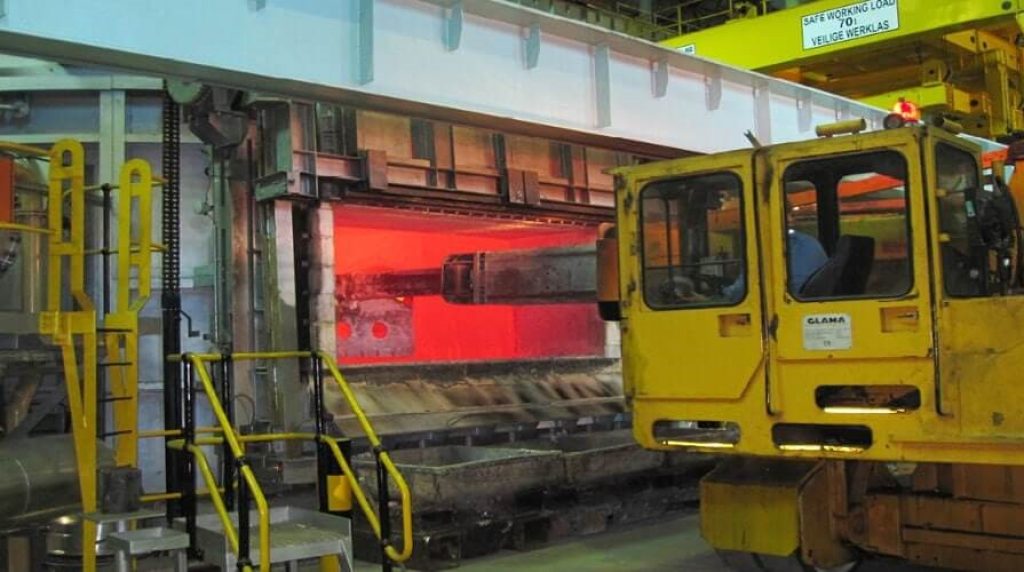
Aluminium Melting Furnace

ALUMINIUM mELTING fURNACE

Coverage Area: Johor, Melaka, Negeri Sembilan, Pahang, Selangor, Terengganu, Kelantan, Perak, Pulau Pinang, Kedah, Perlis, Sabah, Sarawak, Malaysia

Product Overview

An Aluminium Melting Furnace is a type of industrial equipment used to melt aluminum and aluminum alloys. These furnaces are commonly used in foundries, recycling facilities, and metalcasting industries. The purpose is to convert solid aluminum into a molten state, allowing it to be poured into molds for casting or further processing.

Types of Aluminum Melting Furnaces

  1. Reverberatory Aluminium Melting Furnace:
    • A large furnace that uses a series of reflective surfaces to direct heat onto the aluminum.
    • Commonly used for melting large quantities of aluminum, especially in the recycling of scrap aluminum.
    • Operates using either gas or oil as fuel, or electricity in some cases.
  2. Crucible Aluminium Melting Furnace:
    • Uses a crucible (a container that holds the aluminum) to melt the metal.
    • Typically smaller than reverberatory furnaces, and suitable for smaller batches or precise temperature control.
    • Can be electric, gas, or oil-fired.
  3. Induction Aluminium Melting Furnace:
    • Uses electromagnetic induction to heat and melt aluminum.
    • Provides precise temperature control and is energy-efficient.
    • Popular in smaller foundries or when high-quality aluminum is required.
  4. Aluminium Holding Furnace:
    • Not used for melting but for keeping the molten aluminum at a consistent temperature after it has been melted.
    • Important for continuous casting or for preventing the molten metal from solidifying before it can be used.

Features

Key Features and Considerations

  • Temperature Control: Aluminium melts at 660.3°C (1220.5°F), but the furnace must often maintain a temperature slightly higher to account for heat losses. Proper control is necessary to avoid overheating or burning the metal.
  • Energy Efficiency: Since melting aluminium requires significant energy, modern furnaces are designed to maximize heat retention and minimize energy loss.
  • Furnace Size and Capacity: The size of the furnace depends on the amount of aluminium to be melted. Smaller furnaces may handle from a few kilograms to hundreds of kilograms, while larger industrial furnaces can process several tons at a time.
  • Furnace Lining: The furnace’s interior lining is made from refractory materials (such as silica, alumina, or magnesia) that can withstand high temperatures and the corrosive nature of molten aluminium. Layers of insulation is  designed to ensure that the melting furnace is energy saving furnace.
  • Safety Features: Due to the high temperatures and molten metal involved, aluminium melting furnaces are equipped with safety features such as automatic temperature controls, overheat protection, and specialized ventilation systems.

Applications of Aluminum Melting Furnaces

  • Recycling: Aluminium is highly recyclable, and melting furnaces are used to process scrap aluminum to create new products.
  • Casting: Once melted, aluminium can be poured into molds to create various parts for industries like automotive, aerospace, and construction.
  • Alloying: Aluminium melting furnaces are also used to melt and alloy different metals to create aluminum alloys with specific properties.

If you’re considering purchasing or operating an aluminium melting furnace, it’s important to choose one that matches the scale of your operation and meets the necessary technical requirements for efficiency, safety, and product quality.

Related Products

Related Articles

WeCreativez WhatsApp Support
Our customer support team is here to answer your questions. Ask us anything!
? Hi, how can I help?