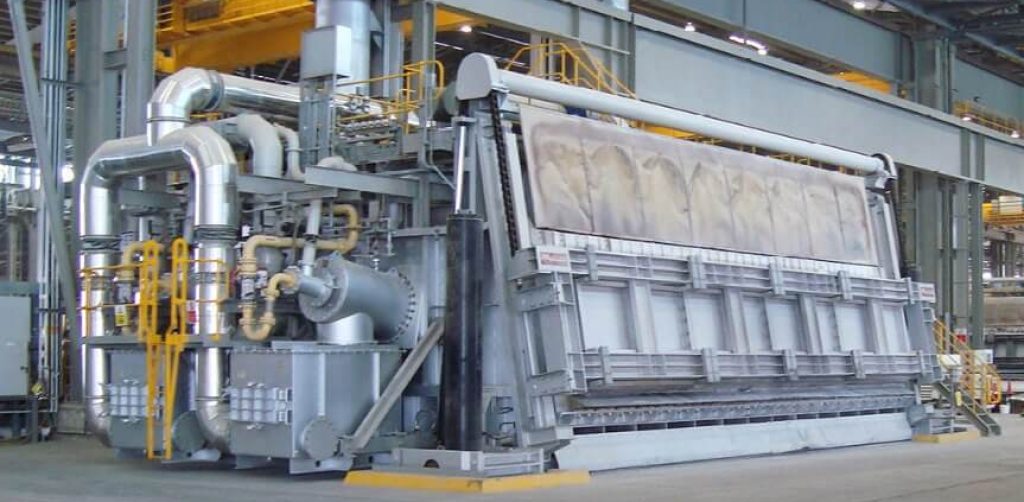
An aluminium holding furnace is a type of furnace used in the aluminium industry to maintain the temperature of molten aluminium after it has been melted. The purpose of a holding furnace is to store aluminium at a stable, controlled temperature until it is ready for casting, alloying, or other processes. Using Aluminium Holding Furnace is also useful for energy saving rather than using melting furnace to keep (hold) the temperature. These furnaces are crucial in the manufacturing of aluminium products like castings, ingots, and rolled sheets. Key Features of an Aluminium Holding Furnace: - Temperature Control: Holding furnaces are equipped with precise temperature control systems to ensure that the aluminium remains at a constant temperature, usually between 660°C (1220°F) and 750°C (1382°F), depending on the specific process.
- Insulation: The furnace is typically well-insulated to minimize heat loss and maintain consistent temperatures. This helps reduce energy consumption.
- Capacity: The size and capacity of holding furnaces can vary greatly, depending on the production scale. Some holding furnaces can handle hundreds or thousands of kilograms of molten aluminium.
- Atmosphere Control: Some holding furnaces are designed to control the atmosphere inside the furnace, such as reducing oxygen or adding inert gases, to prevent oxidation or contamination of the molten aluminium.
- Safety Features: These furnaces are equipped with safety features like automatic temperature shutdowns, alarms, and cooling systems to ensure safe operation, as molten aluminium can be hazardous at high temperatures.
- Materials: The materials used for the furnace lining, such as refractory bricks or ceramic fibers, are designed to withstand the high temperatures and chemical properties of molten aluminium.
- Feeding Mechanism: The furnace may have mechanisms to feed molten aluminium from a melting furnace or recycle scrap aluminium into the holding furnace.
|