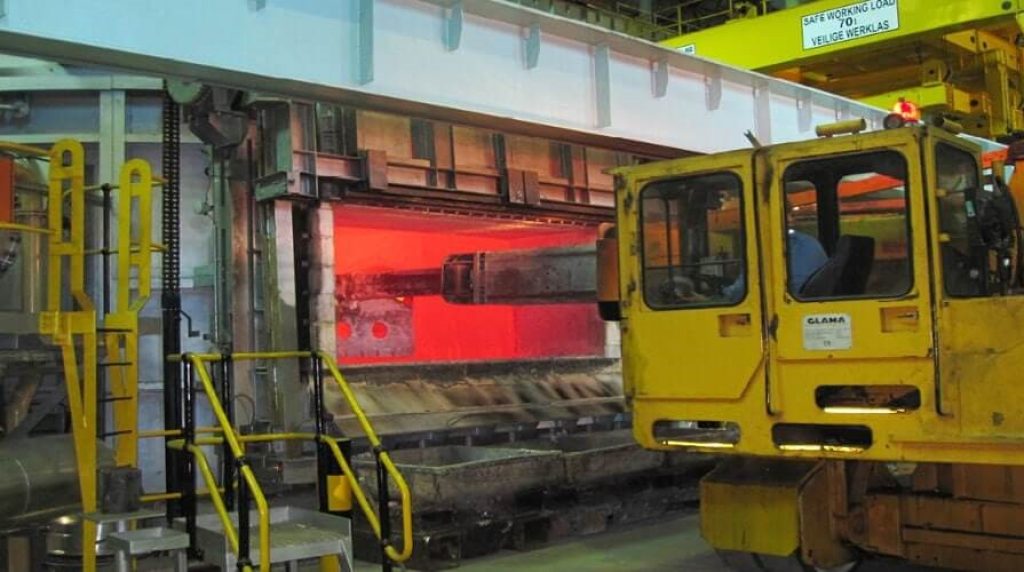
Key Features and Considerations - Temperature Control: Aluminium melts at 660.3°C (1220.5°F), but the furnace must often maintain a temperature slightly higher to account for heat losses. Proper control is necessary to avoid overheating or burning the metal.
- Energy Efficiency: Since melting aluminium requires significant energy, modern furnaces are designed to maximize heat retention and minimize energy loss.
- Furnace Size and Capacity: The size of the furnace depends on the amount of aluminium to be melted. Smaller furnaces may handle from a few kilograms to hundreds of kilograms, while larger industrial furnaces can process several tons at a time.
- Furnace Lining: The furnace’s interior lining is made from refractory materials (such as silica, alumina, or magnesia) that can withstand high temperatures and the corrosive nature of molten aluminium. Layers of insulation is designed to ensure that the melting furnace is energy saving furnace.
- Safety Features: Due to the high temperatures and molten metal involved, aluminium melting furnaces are equipped with safety features such as automatic temperature controls, overheat protection, and specialized ventilation systems.
Applications of Aluminum Melting Furnaces - Recycling: Aluminium is highly recyclable, and melting furnaces are used to process scrap aluminum to create new products.
- Casting: Once melted, aluminium can be poured into molds to create various parts for industries like automotive, aerospace, and construction.
- Alloying: Aluminium melting furnaces are also used to melt and alloy different metals to create aluminum alloys with specific properties.
If you’re considering purchasing or operating an aluminium melting furnace, it’s important to choose one that matches the scale of your operation and meets the necessary technical requirements for efficiency, safety, and product quality. |